Winter Home Maintenance Checklist for Central Ohio Homes
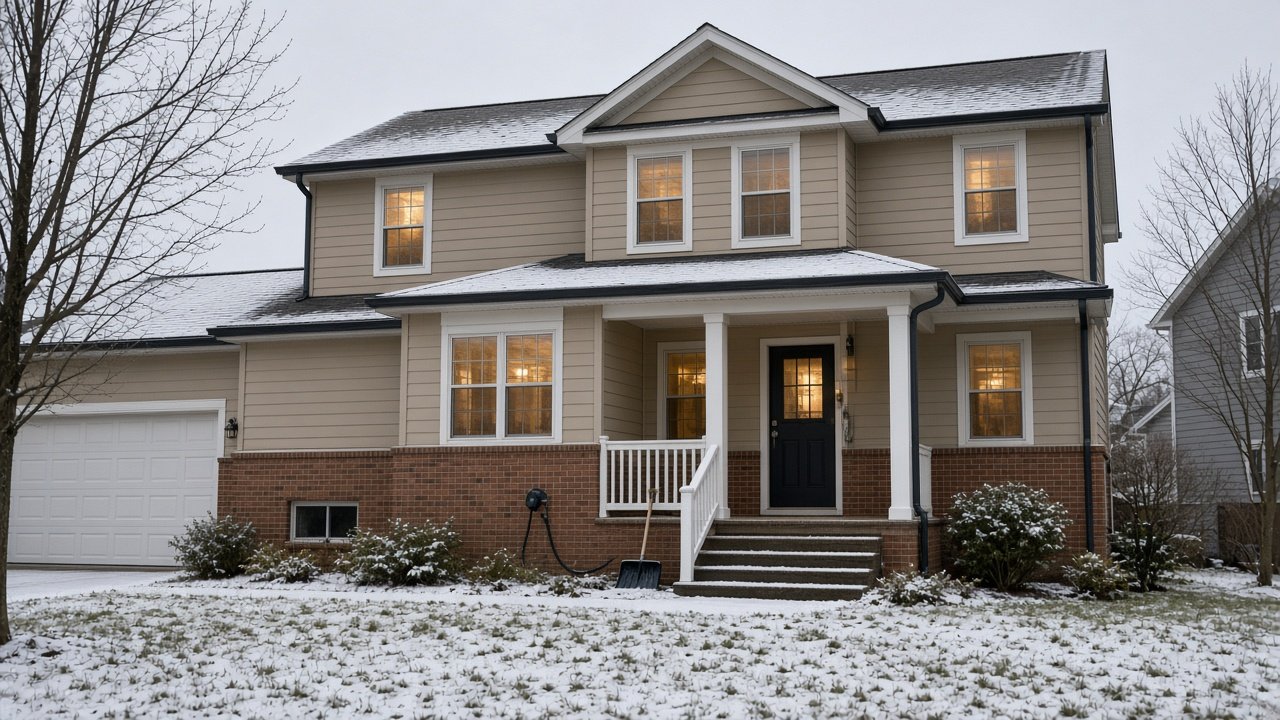
Featured image: illustrative, AI-generated scene. Not a photo of a real home or listing.
Winter in Columbus, Westerville and the rest of Central Ohio brings cold snaps, snow and a lot of time indoors. A little upkeep now keeps your home comfortable, helps your heating system run well, and saves you a scramble later. None of this needs to be done in one weekend. Pick a few items, check them off, and come back to the rest.
If you already worked through our fall home maintenance checklist, you're ahead. This list picks up where that one leaves off.
Protect your pipes from the cold
Pipes in unheated spaces are the ones most likely to freeze. The American Red Cross points to outdoor hose bibs, sprinkler lines, and supply lines in basements, crawl spaces, attics, garages and cabinets on exterior walls.
A few simple steps from the Red Cross:
- Disconnect and drain garden hoses. Close the inside valve that feeds each outdoor faucet, then open the outside faucet so leftover water can drain.
- Insulate exposed pipes in the garage, basement or crawl space. Pipe sleeves from a hardware store are an easy option.
- Keep the garage door closed if water lines run through it.
- On very cold nights, open sink cabinet doors on exterior walls so warm air reaches the plumbing, and let a faucet on an exposed line drip.
- If you travel, leave the heat on. The Red Cross says to set it no lower than 55°F.
It also helps to know where your main water shutoff is, so you can find it quickly if you ever need it.
Keep your furnace running well
Your furnace does most of its work between now and March. The U.S. Department of Energy suggests checking your furnace filter every month, changing it when it's dirty, and replacing it at least every three months. ENERGY STAR also recommends a yearly check-up by a heating contractor, ideally in the fall, so if you didn't get to it, book one early in the season.
Other easy wins:
- Keep vents and registers clear of furniture, rugs and curtains.
- Open shades on sunny, south-facing windows during the day and close them at night.
- Write the date on each new filter so you know when you last changed it.
Look after the outside of the house
After the leaves come down, give the outside a quick walk-around:
- Gutters and downspouts: clear out leaves so melting snow has somewhere to go, and make sure downspouts point away from the foundation.
- Doors and windows: check weatherstripping and caulk for gaps where cold air gets in.
- Walks and steps: have a shovel and ice melt ready before the first real snow. Many cities have rules about clearing public sidewalks, so check your city's website for the details where you live.
- Trees: note any large branches hanging over the roof or driveway and have them looked at when it's convenient.
Test your smoke and CO alarms
Winter is a good time for a quick alarm check. The National Fire Protection Association recommends testing smoke alarms once a month by pressing the test button. If an alarm chirps, change the battery, and replace any smoke alarm that is 10 years past its manufacture date. While you're at it, test any carbon monoxide alarms and follow the manufacturer's instructions for them.
Keep a simple home records file
This step is easy to skip, but it pays off later. Keep one folder, paper or digital, with:
- Receipts and dates for furnace service, roof work, water heater replacement and other repairs
- Appliance manuals and warranty information
- Notes on upgrades you've made and when
If you sell down the road, buyers and their inspectors often ask about the age and care of major systems. Having the answers ready makes that conversation easier.
Thinking about selling in 2027?
If a sale is on your calendar for spring, winter maintenance does double duty. A furnace with service records, clean gutters and tight windows are the kinds of things that come up during inspections. Our post on planning to sell in spring walks through what to do this winter, and if you'd rather not wait, see how to prepare your home to sell in winter. Shopping instead? Here's what to know about buying a home in winter.
Frequently asked questions
How often should I change my furnace filter in winter?
The U.S. Department of Energy suggests checking it every month and changing it when it looks dirty. At a minimum, replace it every three months. Your filter's packaging or your furnace manual may give more specific guidance.
What temperature should I leave my house at when I travel in winter?
The American Red Cross recommends leaving the heat on and setting it no lower than 55°F while you're away during cold weather.
Should I disconnect my garden hose for the winter?
Yes. The Red Cross recommends removing and draining outdoor hoses, closing the inside valve to each outdoor faucet, and leaving the outside faucet open so remaining water can drain.
Does winter maintenance matter if I plan to sell?
It can help. Inspectors look at heating, roofing, drainage and plumbing, and buyers often ask about the age and care of major systems. Keeping up with maintenance and saving your records makes those questions easier to answer.
Who can help me plan a sale or purchase this winter?
Associates Realty in Westerville works with buyers and sellers across Columbus and Central Ohio. Call us at 614-942-5840 to talk through your timing.
Associates Realty: Clear guidance for every move. Have questions about your home or your next move? Call our Westerville office at 614-942-5840.
Equal Housing Opportunity.